
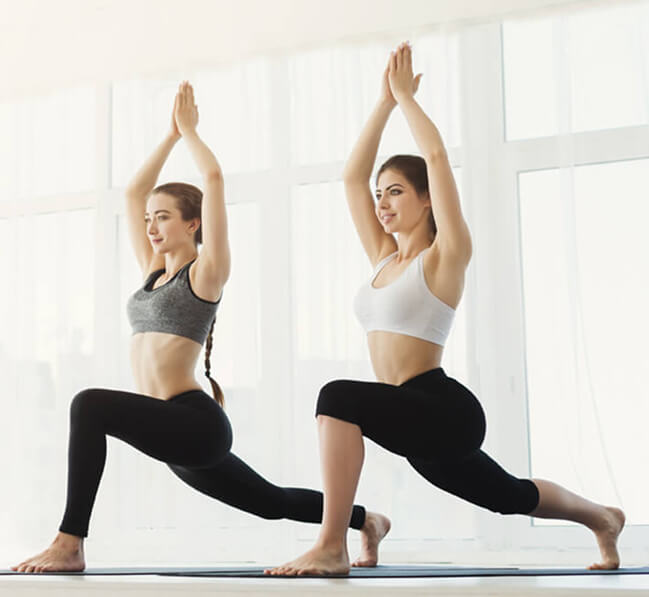
"I'm not flexible enough for yoga" is the number one reason new students in Kuala Lumpur and across Malaysia give us for not coming to class. It is a bit like saying you are too dirty to take a shower. Yoga is how you become more flexible, stronger and calmer, so you do not need to arrive that way.
This 30-day plan is designed for complete beginners. It needs about 20 to 40 minutes, three or four times a week, and no special equipment beyond a mat.
Step 1: Pick a beginner-friendly style
Yoga studios use a lot of Sanskrit names, so here is the short version:
- Hatha – slower and more precise, with time to hold and understand each pose. Our top recommendation for first-timers.
- Vinyasa – flowing sequences linked with the breath. More cardio, faster pace. Better after a few weeks of Hatha.
- Yin and Restorative – long, supported holds that target the deep tissues. Lovely after a stressful week.
- Yoga Nidra – guided deep relaxation lying down. See our Yoga Nidra guide.
Step 2: Get the basics (it costs less than you think)
- A non-slip mat of at least 4mm. In our humid weather, a textured or natural-rubber surface grips better when you sweat.
- Breathable, stretchy clothes. Cotton gets heavy in the heat; look for light, moisture-wicking fabric.
- A small towel and a water bottle.
- Optional: a yoga block and a strap. Most studios lend them, and they make poses accessible rather than "easier".
The 30-day plan
Week 1: Arrive and breathe
Aim for three sessions of 20 minutes. Practise Child's Pose, Cat-Cow, Downward-Facing Dog (knees bent is fine) and a simple seated twist. Spend the last three minutes lying on your back, breathing slowly through your nose. The goal this week is just to show up.
Week 2: Build a stable base
Add Mountain Pose, Warrior II, Low Lunge and Bridge Pose. Hold each for five slow breaths. Focus on your feet and your alignment, not on how deep you go.
Week 3: Link the movements
Try a gentle Sun Salutation, repeating three rounds at a calm pace. Join your first live or studio class this week. A teacher's eyes will catch habits you cannot feel yourself, such as a collapsed lower back in Down Dog.
Week 4: Make it a habit
Pick fixed days and times, for example Tuesday lunchtime and Saturday morning, and put them in your calendar. Add a five-minute seated breathing practice at the end. By now you will have a small routine you can do anywhere, including a hotel room on a work trip.
Rule of thumb: stretch sensations are fine; sharp, pinching or joint pain is not. Back off and tell your teacher.
Common beginner questions
How often should I practise?
Two to four times a week gives most people steady progress without burning out. Short and regular beats long and rare.
Should I practise on an empty stomach?
Leave about two hours after a full meal, such as nasi lemak or mixed rice, and about 30 minutes after a snack. A banana an hour before class works well for many students.
Is online yoga as good as a studio?
Both work. Studios give hands-on adjustments and community; live online classes save you the KL traffic. Many of our students mix the two.
Ready for a guided start?
Our 8-week Hatha Yoga Foundations course follows exactly this progression with a small group of no more than 12 students. You can also book a free trial class to see if the studio feels right.
This article is for general information only and is not medical advice. If you are pregnant, injured or managing a health condition, please check with your doctor before starting a new exercise routine.
Aishah Rahman
Teacher at Apex Yoga Academy, Mont Kiara. Meet the team